
A Beginner’s Guide to Indian Spices and Flavours
Posted On April 24, 2025 by Admin
You know that feeling when you walk into a kitchen and get hit with an aroma so bold and comforting it makes your stomach growl instantly? That is what Indian cooking is all about. And at the heart of it? Spices. Not just for heat—but for soul, depth, and stories. If you have ever wondered how one cuisine can be tangy, earthy, creamy, and fiery all at once—well, it all comes down to the spice game.
Spices in Indian food are not just for flavor—they are tradition, medicine, and even mood-setters. These are not random ingredients tossed into a pot; each one has a purpose, a role, and a personality.
Indian cuisine thrives on layers. A dish might start off with cumin seeds crackling in oil, then invite turmeric for earthiness, chili for heat, and cardamom for a floral punch. And what you end up with? A flavor story that builds with every bite.
The magic lies in how these spices are combined and when they are added. Some go in hot oil at the start, some get sprinkled at the end for aroma, and some even get ground into pastes to build the base of the dish. That is why Indian cuisine flavour profile is so unique—it is not just about individual spices, but the symphony they create together.
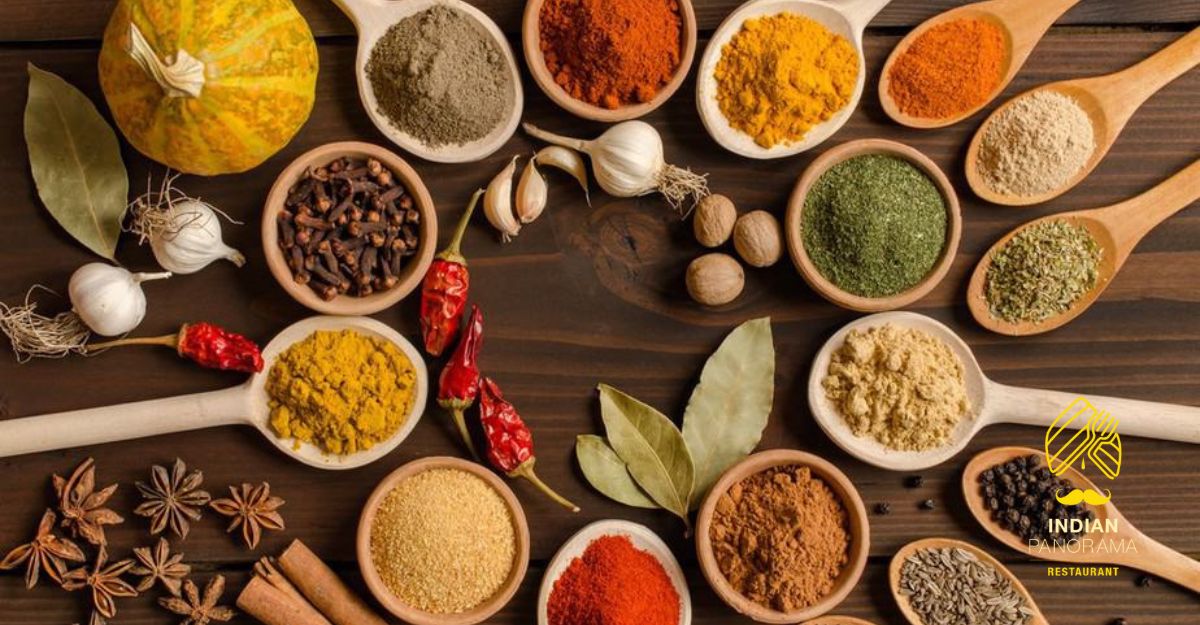
Alright, let us talk about the stars of the show. Here are some of the most commonly used Indian spices—explained in simple, no-nonsense terms:
Turmeric (Haldi) – Earthy, slightly bitter, bright yellow. Adds color, warmth, and is also known for its health benefits.
Cumin (Jeera) – Warm, nutty, and aromatic. Toast it in oil, and it gives a lovely depth to any dish.
Coriander (Dhaniya) – Mild, citrusy, and fresh. Often used ground or as seeds to balance stronger spices.
Mustard Seeds – Pop them in hot oil and they add a pungent, slightly peppery kick. Great in curries and pickles.
Garam Masala – A blend of warming spices like cinnamon, cloves, black pepper, and cardamom. Think of it as the "finishing touch" in many Indian dishes.
Fenugreek (Methi) – Slightly bitter, a bit like burnt maple syrup (in a good way). Used sparingly but adds incredible depth.
Chili Powder – Comes in different intensities. Adds heat, sure, but also color and smoky undertones.
Asafoetida (Hing) – A little goes a long way. Has a strong aroma but mellows out in oil. Perfect for lentil dishes.
Each spice has a vibe. Some are fiery and bold, others soft and warm. Together, they create the layered, full-bodied flavour that Indian food is famous for.
And guess what? There’s no “one way” to use them. Different regions of India use spices differently. South Indian cooking, for example, leans into mustard seeds, curry leaves, and coconut, while North India uses more cream, cloves, and cinnamon.
Now here’s the thing—we are not just talking about spices because they sound exotic or trendy. At Indian Panorama, spices are part of our roots. Every dish we serve is a reflection of age-old techniques passed down through generations—measured not by teaspoons, but by instinct, memory, and a lot of love.
When you visit us, whether it is for a creamy butter chicken, a tangy vindaloo, or a slow-cooked dal, you are not just getting food—you are getting centuries of culture on a plate. And yes, we balance those spices just right—so it hits your tastebuds in all the best ways, even if you are totally new to Indian cuisine.
So if you have ever wanted to taste the real India—where flavors tell stories and spices sing—you know where to find us. Come explore the bold, the subtle, and everything in between.